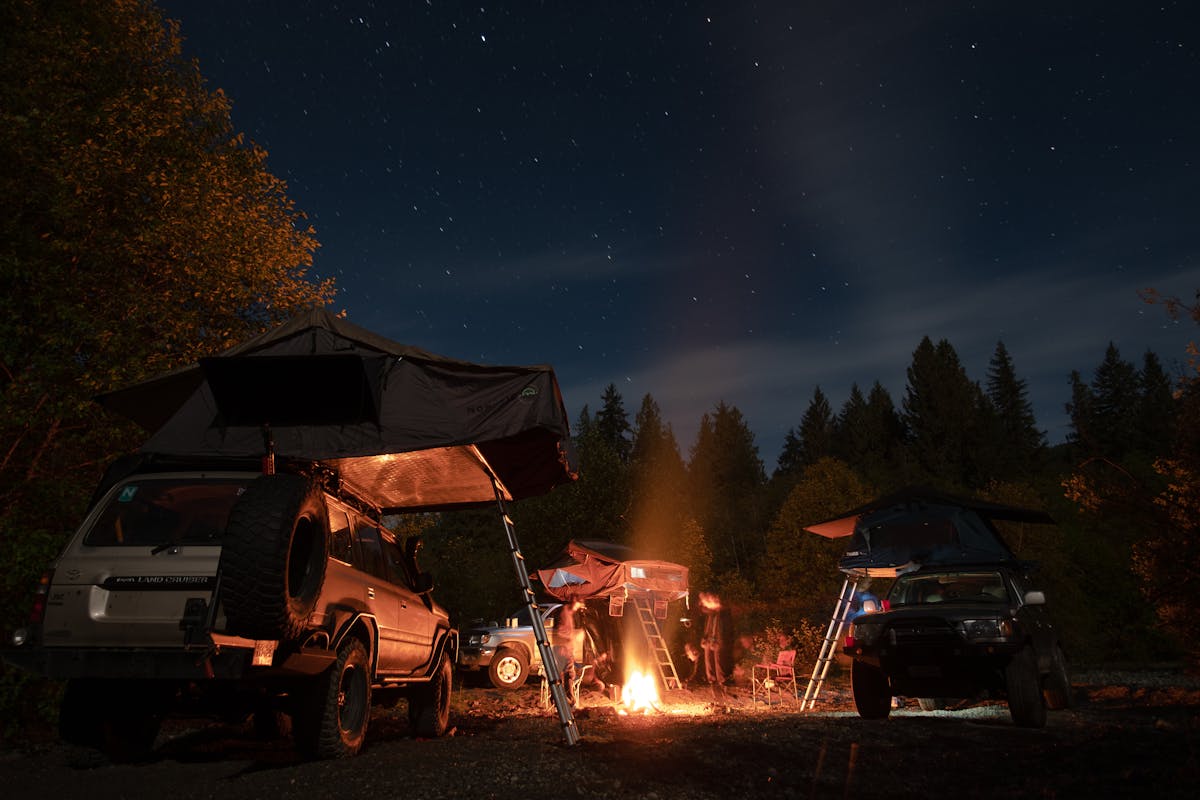

- There is no single best option for car camping—SUVs, vans, and trucks each suit different camping styles, budgets, and comfort needs.
- SUVs are ideal for beginners and casual campers who want a versatile, fuel-efficient vehicle that works for both daily driving and short trips.
- Vans offer the most interior space and comfort, making them the best choice for long-term travel or campers who prioritize sleeping and organization.
- Trucks excel in off-road capability and gear hauling, making them perfect for rugged terrain and adventure-focused camping.
- Comfort, storage, fuel efficiency, and terrain access are the most important factors to consider when choosing a car camping vehicle.
- The best vehicle for car camping is the one that aligns with how often you travel, where you camp, and the level of comfort you expect.
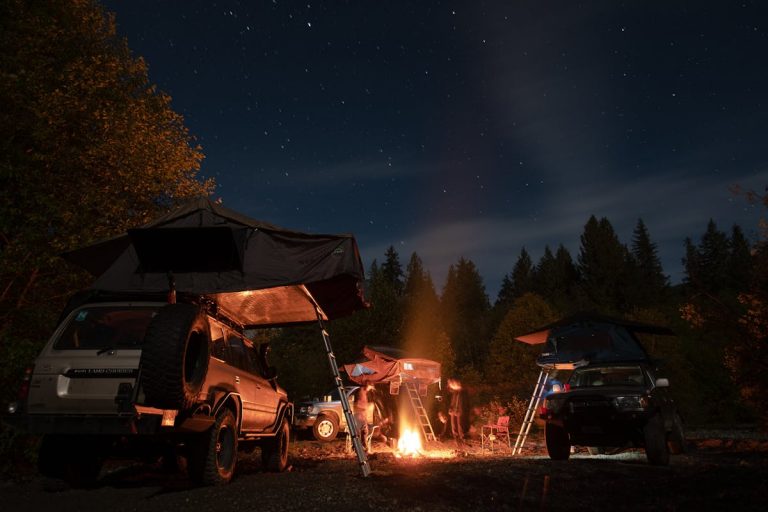
Car camping has become one of the most accessible ways to explore the outdoors without giving up comfort, flexibility, or safety. Whether you are heading out for a weekend getaway or planning extended road trips, the vehicle you choose plays a major role in your overall experience. From sleeping arrangements and storage capacity to fuel efficiency and off-road capability, every detail matters when deciding which setup works best for your lifestyle.
Among outdoor enthusiasts, three vehicle types dominate the conversation: SUVs, vans, and trucks. Each option has distinct strengths and trade-offs that appeal to different camping styles and budgets. Understanding these differences can help you avoid costly mistakes and choose a vehicle that supports your adventures rather than limiting them.
This guide breaks down the pros, cons, and ideal use cases for SUVs, vans, and trucks. By the end, you will have a clearer idea of which option fits your camping goals, comfort expectations, and travel plans.
Why Your Vehicle Choice Matters for Car Camping
Choosing a vehicle for car camping is not just about getting from point A to point B. It directly affects how well you sleep, how organized your gear stays, and how easily you adapt to changing weather or terrain. The wrong vehicle can turn a relaxing trip into a cramped or stressful experience.
A good car camping vehicle provides enough interior or exterior space for sleeping, cooking gear, and personal items. It also allows for efficient packing so that essentials are easy to reach without unloading everything. These factors become even more important on longer trips or when camping with more than one person.
Your vehicle also determines where you can camp. Some locations require higher ground clearance or four-wheel drive, while others favor stealth and compact designs. Matching your vehicle to your preferred camping environment helps ensure comfort, safety, and flexibility throughout your journey.
SUVs for Car Camping: Versatile and Beginner-Friendly
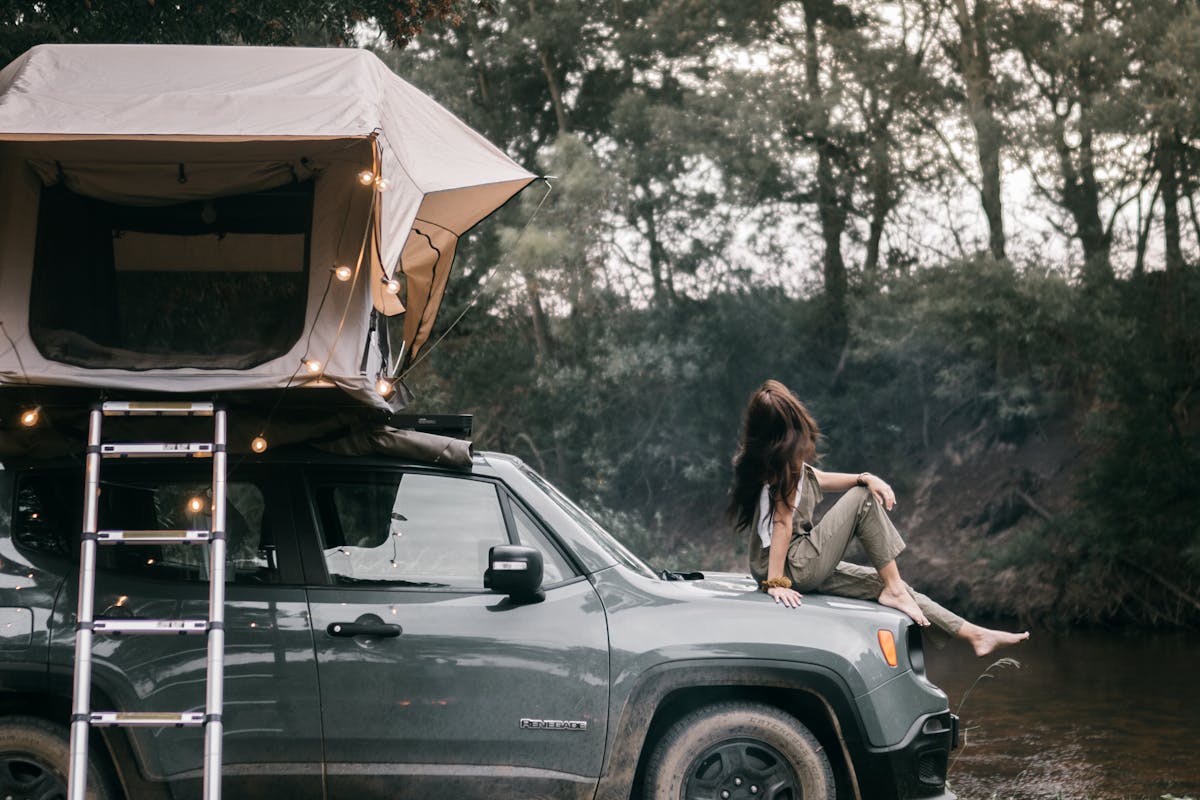
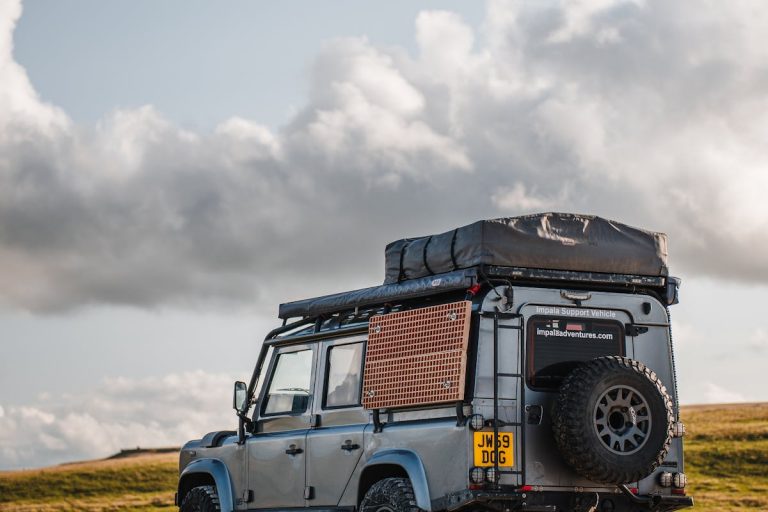
SUVs are often the first choice for people new to car camping. They strike a balance between everyday usability and outdoor capability, making them appealing to campers who want one vehicle for both daily driving and weekend adventures.
One of the biggest advantages of SUVs is versatility. Many models offer fold-flat rear seats, creating a relatively long sleeping area. While the space may not be as wide or tall as a van, it is usually sufficient for solo campers or couples. SUVs also tend to have better fuel efficiency than vans or trucks, especially compact and midsize models.
Another benefit is accessibility. SUVs are widely available in new and used markets, with options across a wide range of budgets. Many models come with all-wheel drive or four-wheel drive, making them suitable for light off-road travel and rough campsite access.
Pros of SUVs for Car Camping
- Easier to drive and park compared to vans or trucks
- Better fuel efficiency for long-distance travel
- Suitable for daily commuting and camping
- Available with AWD or 4WD for varied terrain
Cons of SUVs for Car Camping
- Limited interior height for sitting upright
- Less sleeping and storage space than vans
- Can feel cramped for extended trips
SUVs work best for campers who value flexibility and plan to mix camping with regular driving. They are ideal for short trips, minimalist setups, and people who prefer a balance between comfort and convenience.
Vans for Car Camping: Comfort and Space on the Road
Vans are often considered the gold standard for car camping, especially for those who prioritize comfort and interior living space. Their boxy design maximizes usable area, making them ideal for sleeping, storage, and even simple cooking setups.
One of the standout features of vans is interior height. Many models allow campers to sit up or even stand, which makes a significant difference during long trips or bad weather. This extra headroom reduces the feeling of confinement and allows for more creative layouts, including beds, shelves, and cabinets.
Vans also excel in organization. With more interior volume, it is easier to keep gear neatly stored and accessible. Campers can build or install permanent sleeping platforms, making setup and breakdown faster and less stressful.
Pros of Vans for Car Camping
- Large interior space for sleeping and storage
- Ability to sit up or stand in some models
- Ideal for long-term or full-time camping
- Easier to customize with camper builds
Cons of Vans for Car Camping
- Higher purchase and maintenance costs
- Lower fuel efficiency
- Larger size can limit off-road access and parking
Vans are best suited for campers who spend extended time on the road or want a more home-like experience. They appeal to travelers who value comfort, organization, and the ability to camp in various weather conditions without feeling confined.
Trucks for Car Camping: Rugged and Off-Road Ready
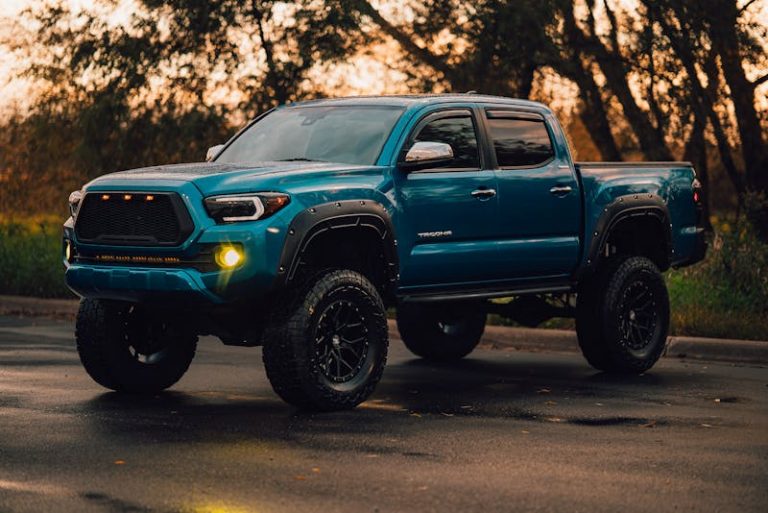
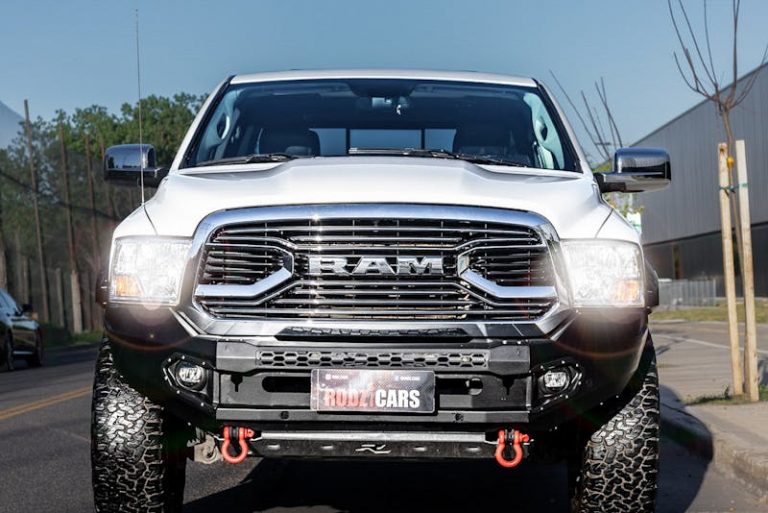
Trucks offer a different approach to car camping, focusing on durability, power, and off-road capability. They are especially popular among campers who frequent remote areas or carry heavy gear such as motorcycles, kayaks, or large camping setups.
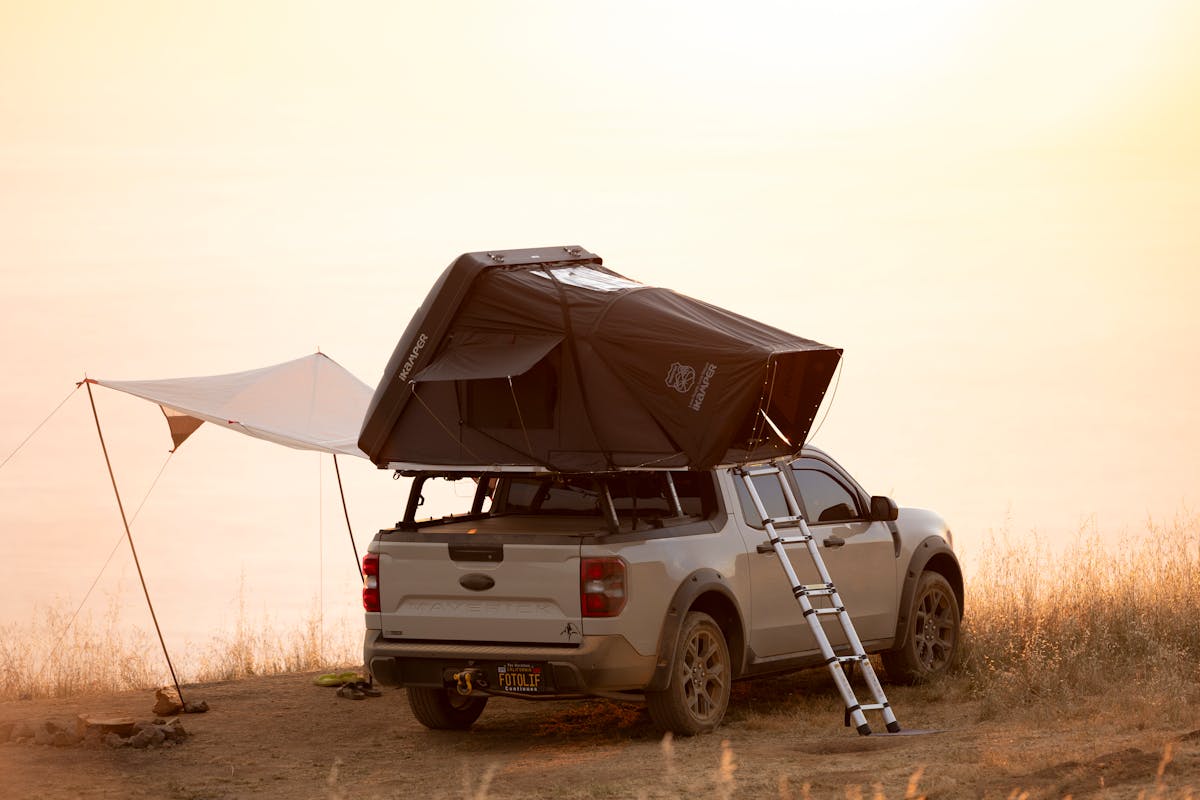
The defining feature of a truck is the open bed. This space allows for creative camping solutions, including bed tents, slide-in campers, or custom-built platforms. Trucks also tend to have higher ground clearance and stronger towing capacity, making them suitable for rugged terrain and off-grid travel.
However, trucks often require additional gear to be comfortable for sleeping. Unlike SUVs or vans, the cab is usually separate from the sleeping area, which can be less convenient in bad weather. Still, for campers who value adventure and durability, trucks offer unmatched versatility.
Some campers are drawn to high-performance models marketed as the fastest pickup truck, but for car camping, torque, stability, and reliability on uneven terrain matter far more than speed.
Pros of Trucks for Car Camping
- Excellent off-road and towing capability
- Large bed for gear or camper setups
- Durable and suitable for rugged environments
- Flexible options for modular camping builds
Cons of Trucks for Car Camping
- Requires additional equipment for sleeping
- Less integrated living space
- Fuel efficiency varies by model and setup
Trucks are ideal for campers who prioritize exploration over comfort. They are well-suited for off-road enthusiasts, overlanders, and those who need a vehicle that can handle demanding terrain and heavy loads.
Best Vehicle for Car Camping: SUVs vs Vans vs Trucks Compared
When comparing SUVs, vans, and trucks, the “best vehicle for car camping” depends on how you camp, where you go, and how much comfort you expect. Each option excels in specific areas, and understanding these differences helps narrow down the right choice.
SUVs offer balance and practicality, making them suitable for beginners or casual campers. Vans prioritize comfort and space, ideal for long trips or full-time travel. Trucks emphasize strength and adaptability, appealing to those who venture off the beaten path.
Instead of focusing on which category is objectively better, consider how each aligns with your camping style. Factors such as trip length, terrain, number of campers, and budget should guide your decision more than trends or popularity.
Comfort and Sleeping Space: Which Vehicle Wins?
Comfort is one of the most important factors in car camping, especially when it comes to sleep quality. A good night’s rest can determine how enjoyable your trip feels overall.
Vans generally offer the most comfortable sleeping arrangements. Their flat floors and wide interiors make it easier to set up full-size mattresses or permanent beds. SUVs can also provide decent sleeping space, but height and width limitations may require more creative setups.
Trucks vary widely depending on the configuration. A truck bed with a camper shell or slide-in camper can be very comfortable, but this often involves additional cost and setup time. Without these additions, sleeping in a truck can feel less integrated.
Storage and Organization on the Road
Efficient storage keeps your campsite organized and reduces stress during trips. Vans shine in this category due to their interior volume and vertical space. Campers can install shelves, drawers, and cabinets without sacrificing the sleeping area.
SUVs offer moderate storage, especially when paired with roof racks or cargo boxes. However, accessing gear often requires moving items around, which can be inconvenient during frequent stops.
Trucks provide excellent external storage in the bed, but organization depends heavily on accessories such as bed drawers, boxes, or campers. While flexible, this setup may feel less cohesive than a van’s interior layout.
Fuel Efficiency and Travel Costs
Fuel efficiency plays a major role in long-distance travel and overall camping costs. SUVs, particularly compact and midsize models, tend to be the most fuel-efficient option among the three.
Vans and trucks generally consume more fuel due to their size and weight. While modern models have improved efficiency, they still require a larger budget for extended trips. Maintenance and insurance costs may also be higher for larger vehicles.
Balancing fuel costs with comfort and capability helps ensure your camping adventures remain sustainable over time.
Off-Road Capability and Terrain Access
For campers who explore remote areas, terrain capability matters. Trucks often lead in this category, offering higher ground clearance, stronger drivetrains, and better durability for rough conditions.
SUVs with AWD or 4WD can handle many off-road situations, especially on maintained trails and gravel roads. Vans are usually less suited for rugged terrain, although some models offer AWD options that improve versatility.
Choosing a vehicle that matches your preferred camping locations helps prevent limitations and unexpected challenges on the road.
Budget Considerations and Long-Term Value
Budget plays a major role in choosing a car camping vehicle. SUVs often offer the lowest entry cost and are widely available in the used market. Vans typically require a higher upfront investment, especially when customized for camping.
Trucks vary widely in price depending on size, drivetrain, and accessories. While they can be expensive, their durability and resale value often appeal to long-term owners.
Considering both upfront and ongoing costs ensures your vehicle remains a practical investment rather than a financial burden.
How to Choose the Right Vehicle for Your Camping Style
Selecting the right vehicle starts with understanding your priorities. Ask yourself how often you camp, how long your trips last, and what level of comfort you expect. A clear vision of your camping style helps narrow down options quickly.
If you prefer short trips and daily drivability, an SUV may be the best fit. For extended travel and comfort, a van offers unmatched interior space. If adventure and terrain access are your top priorities, a truck provides rugged versatility.
No single option is perfect for everyone. The best choice is the one that supports your lifestyle, budget, and long-term travel goals.
Final Thoughts: Which Vehicle Is Best for You?
There is no universal answer to the best vehicle for car camping. SUVs, vans, and trucks each offer unique advantages that cater to different types of campers. Understanding these differences allows you to make an informed decision rather than following trends.
Focus on how you camp, not how others camp. A vehicle that fits your needs will enhance your experience, reduce stress, and allow you to enjoy the outdoors on your own terms. With the right choice, your vehicle becomes more than transportation—it becomes part of the adventure.
About the Author