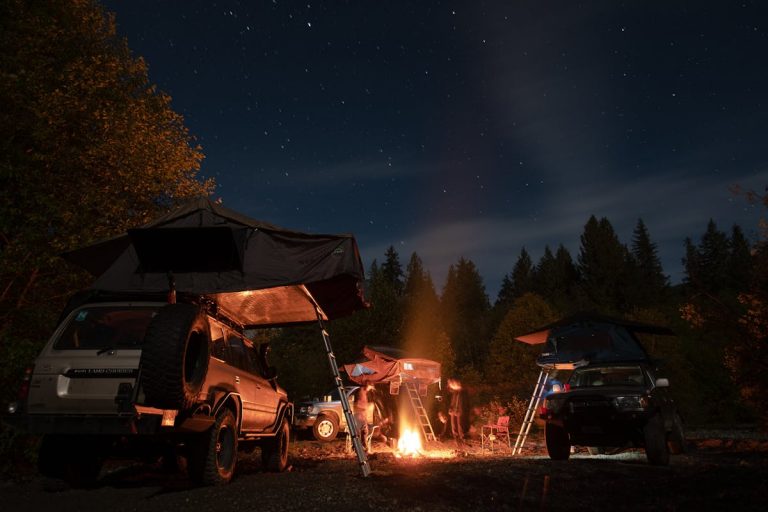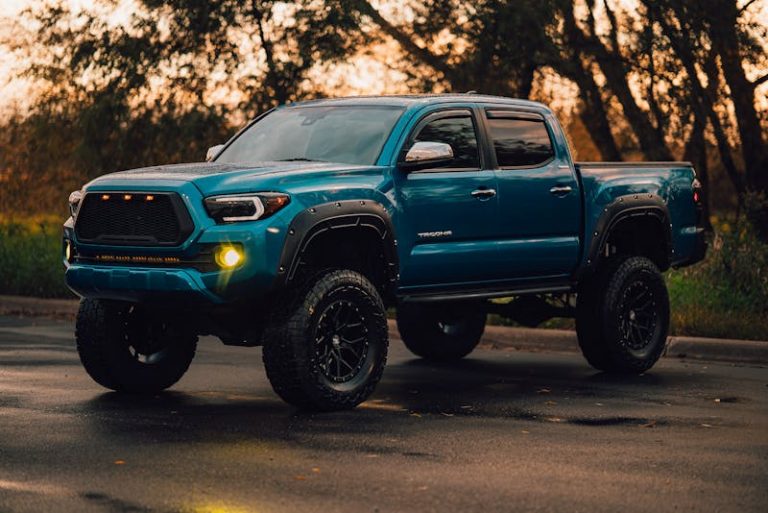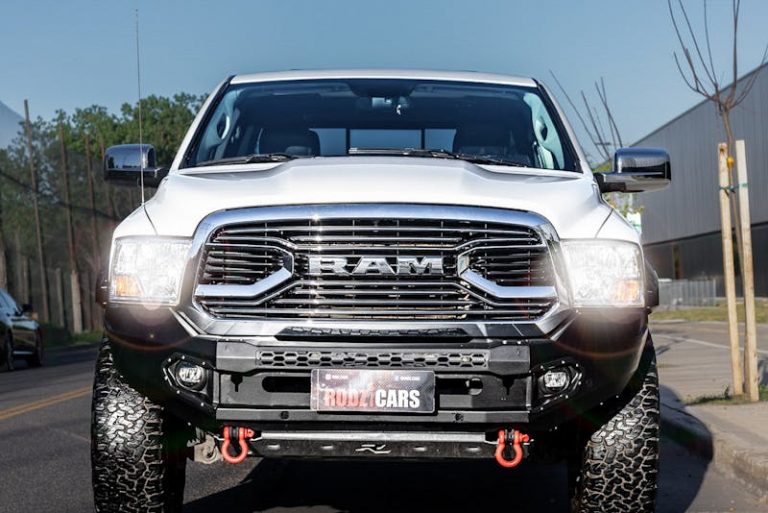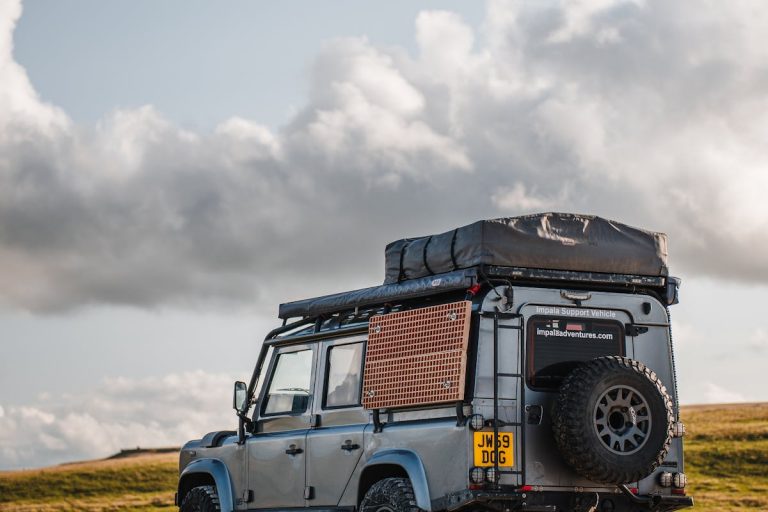
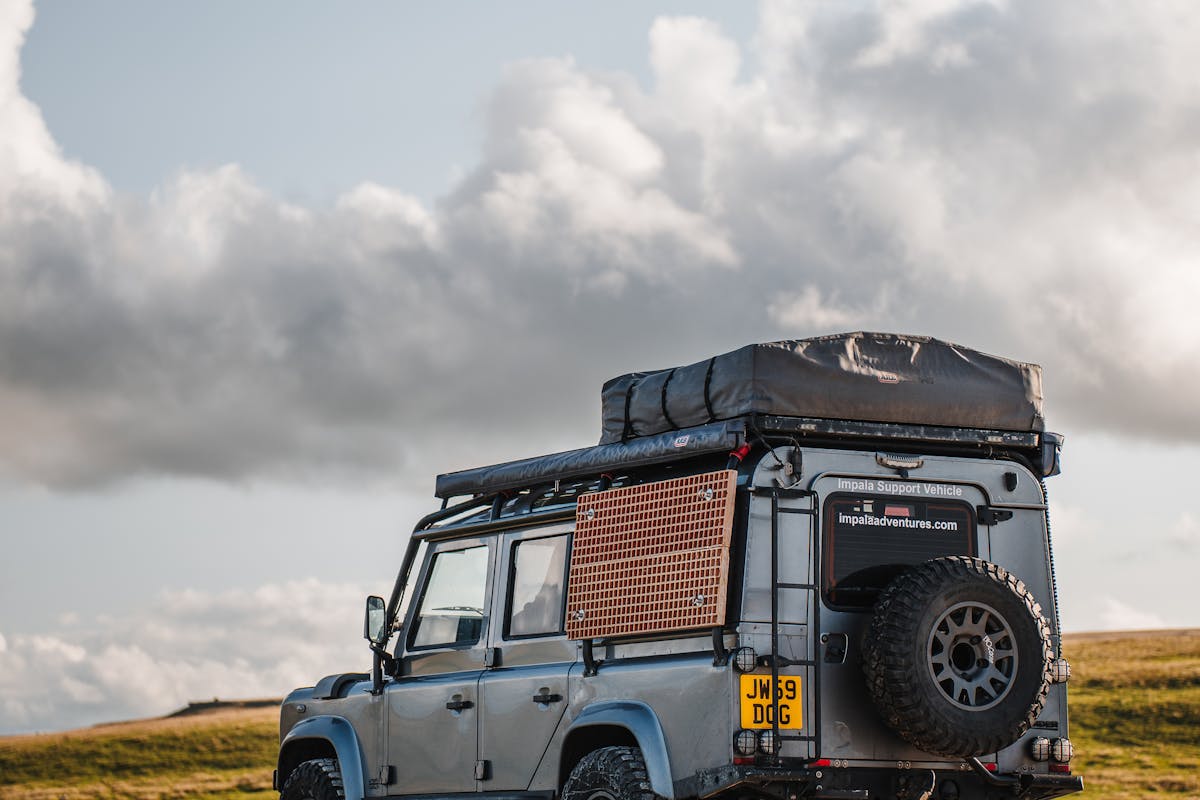

- The best overlanding vehicle for beginners prioritizes reliability, comfort, and simplicity over extreme modifications.
- SUVs and midsize trucks offer the best balance of daily usability and off-road capability for new overlanders.
- Choosing the right drivetrain, payload capacity, and interior space matters more than brand or appearance.
- Your travel style, terrain, and budget should guide vehicle selection—not trends or social media builds.
- Many entry-level overlanders start with a vehicle that also works well for car camping and weekend trips.
- Buying used and upgrading gradually is often smarter than investing heavily in a fully built rig upfront.
Overlanding is more than just off-road driving—it’s a self-reliant way of traveling where the journey matters as much as the destination. For beginners, choosing the right vehicle can feel overwhelming, especially with so many builds, opinions, and gear-heavy setups online. The truth is, the best overlanding rig isn’t always the biggest, newest, or most expensive. It’s the one that fits your travel style, terrain, budget, and comfort needs.
This beginner’s guide breaks down what actually matters when selecting an overlanding vehicle. Instead of focusing on hype, it explains practical factors like reliability, drivetrain, storage, and daily usability. If you’re just starting out and want a clear, no-nonsense way to choose your first rig, this guide will help you make a confident decision.
What Is Overlanding and Why Does the Vehicle Matter?
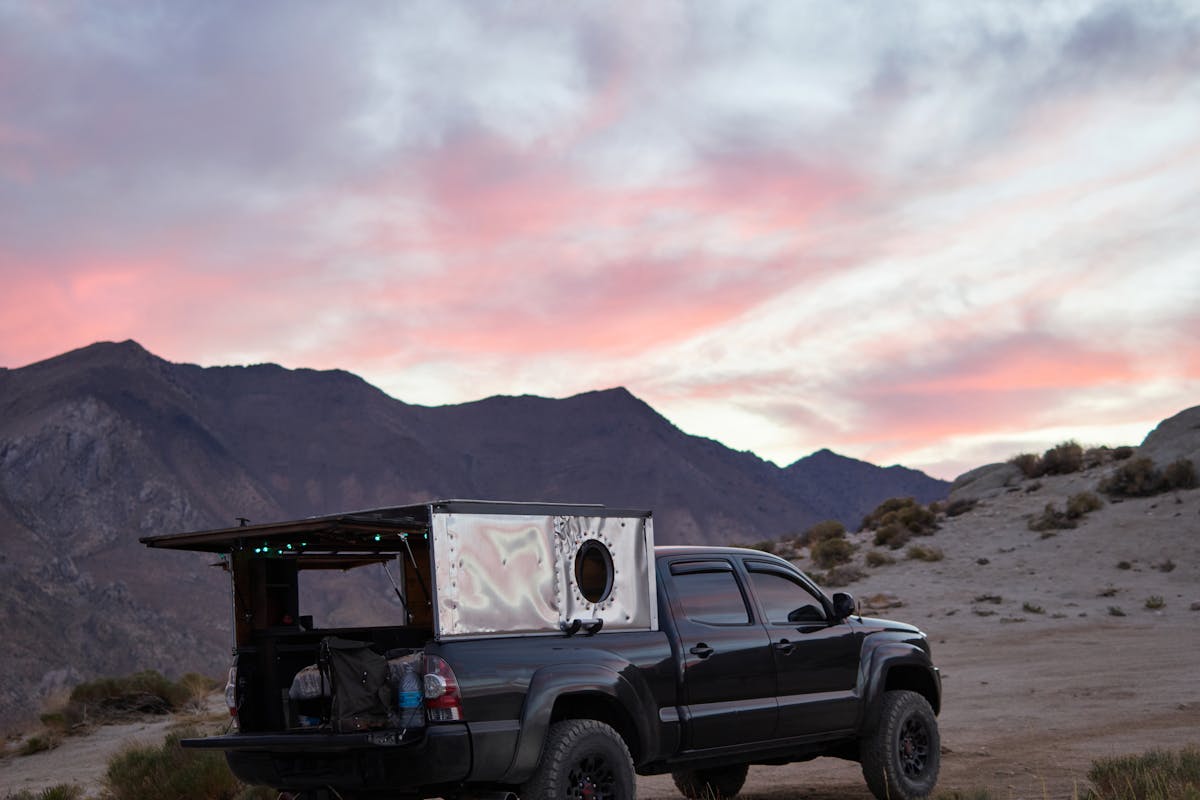
Overlanding is defined by long-distance travel using a vehicle that carries everything you need to live and explore independently. Unlike traditional off-roading, it focuses less on technical trails and more on endurance, reliability, and comfort over extended trips. Because of this, the vehicle plays a central role in your entire experience.
Your overlanding vehicle determines how far you can travel, how safely you can navigate rough terrain, and how comfortable you’ll be during long days on the road. For beginners, the goal should be balance—not extremes. A capable but manageable vehicle allows you to learn skills gradually without unnecessary complexity or expense.
Key reasons the right vehicle matters include:
- Reliability in remote areas with limited assistance
- Ability to carry gear, water, food, and recovery tools
- Comfort for long drives and overnight stops
- Compatibility with common overlanding modifications
A good starting vehicle makes overlanding more accessible and enjoyable, especially during your first few trips.
Best Vehicle for Overlanding: What Beginners Should Look For
Choosing the best vehicle for overlanding as a beginner is about understanding priorities rather than chasing perfection. You want a rig that is dependable, versatile, and forgiving while you build experience. Instead of focusing on brand loyalty, evaluate vehicles based on how well they support long-distance travel and light-to-moderate off-road use.
A beginner-friendly overlanding vehicle should strike a balance between capability and simplicity. Highly modified rigs can be impressive, but they often add cost, maintenance, and complexity that new overlanders don’t need yet. Starting with a solid stock platform allows you to learn what upgrades actually make sense for your needs.
When evaluating options, focus on:
- Proven reliability and ease of maintenance
- Comfortable seating and driving position
- Adequate ground clearance for uneven terrain
- Strong resale value if plans change
For many beginners, midsize SUVs and trucks provide the ideal mix of daily usability and off-road capability without feeling intimidating to drive or maintain.
Key Features That Matter Most
Some features are far more important than others when starting out. Prioritize function over flash.
- Drivetrain: 4WD is ideal, but AWD can work for light overlanding
- Payload capacity: Important for carrying camping and recovery gear
- Fuel range: Larger tanks or good fuel efficiency extend travel distance
- Interior space: Useful for sleeping setups and organized storage
Interestingly, many beginners find that the best vehicle for car camping also transitions well into entry-level overlanding, especially for weekend trips and mild terrain.
SUV, Truck, or Van: Which Type Is Right for You?
Each vehicle type offers advantages, and there is no single “correct” answer. The best choice depends on how you plan to travel and what you value most during trips. Beginners benefit from understanding the trade-offs before committing to a platform.
SUVs are popular because they balance comfort, cargo space, and off-road capability. Trucks offer excellent payload capacity and modular storage options, while vans prioritize interior living space and road comfort. Understanding these differences helps narrow your search.
SUVs
- Easy to drive daily and on long road trips
- Enclosed cargo area protects gear from the weather
- Often supported by a strong aftermarket
Trucks
- High payload and towing capacity
- Flexible bed setups for drawers or campers
- A slightly longer wheelbase may affect maneuverability
Vans
- Ideal for long-term travel and sleeping inside
- Less capable on technical trails
- Better suited for graded roads and extended stays
For beginners, SUVs and midsize trucks tend to offer the most flexibility with the least learning curve.
How to Choose Based on Your Travel Style and Budget
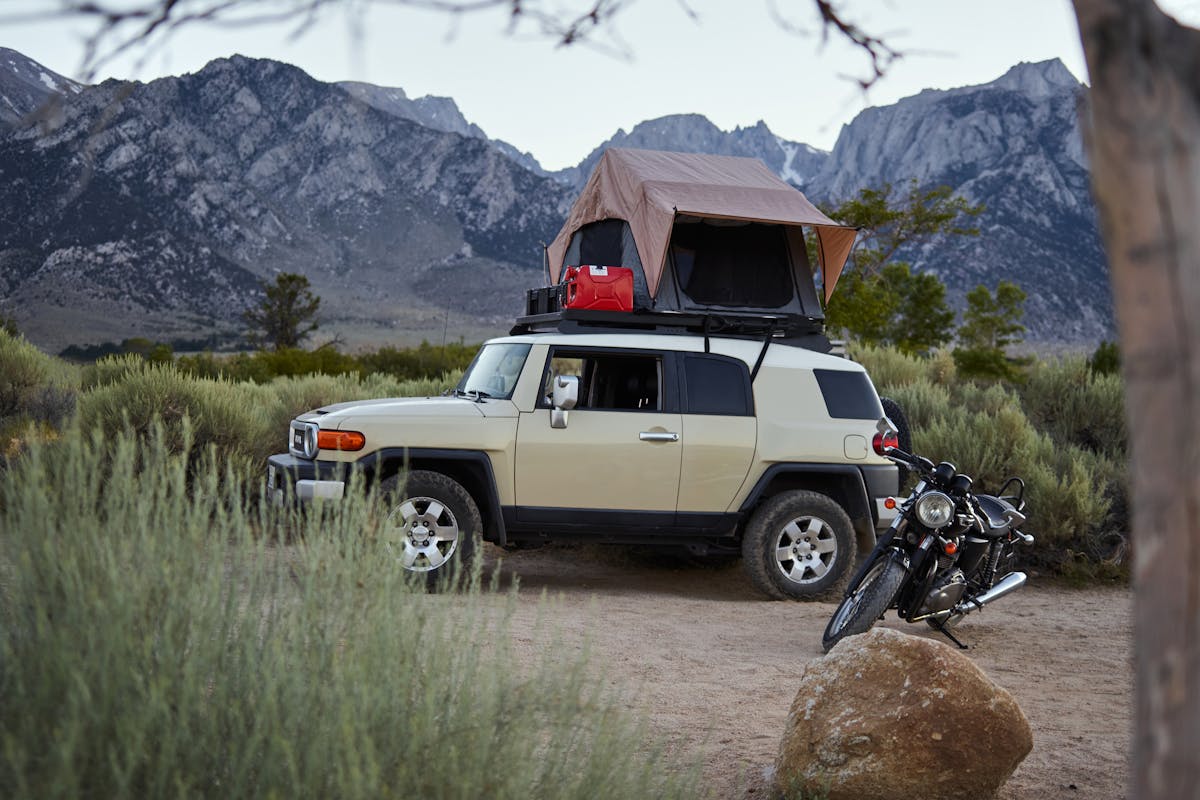
Your ideal overlanding vehicle should align with how you actually plan to travel, not how others do it online. Weekend explorers, solo travelers, and families all have different needs, and budget plays a major role in narrowing realistic options.
Start by asking practical questions. Will you travel alone or with others? Do you plan to sleep inside the vehicle or in a tent? Are you exploring local trails or remote regions? Honest answers help prevent overspending on unnecessary features.
Beginner-friendly budgeting tips include:
- Buy a reliable used vehicle rather than stretching for a new one
- Prioritize maintenance before modifications
- Add upgrades slowly after real-world trips
Overlanding is a long-term hobby. Choosing a sensible first rig allows you to grow into it, learn what matters most, and upgrade with confidence over time.
About the Author